AHTES REPORTER: POLYIBADAN TOURISM VILLAGE SETS NEW STANDARD FOR PRACTICAL HOSPITALITY AND TOURISM EDUCATION
The development of competent hospitality and tourism professionals requires more than classroom lectures and theoretical knowledge. It requires practical exposure, real-life simulations and learning environments that allow students to experience the operations of the industry they are being prepared to serve.
This philosophy of Practical Hospitality and Tourism Education is gaining stronger attention at The Polytechnic, Ibadan, following the unveiling of the POLYIBADAN TOURISM VILLAGE, an innovative experiential learning facility developed by the institution's Department of Tourism Management Technology (TMT).
The initiative represents an important contribution to the advancement of tourism education in Nigeria and aligns strongly with the advocacy of the African Hospitality and Tourism Education Summit (AHTES) for education that prepares students for the realities of the hospitality and tourism industry.
The Tourism Village has been designed as a practical learning environment where students can move beyond textbooks and lectures to gain hands-on experience in different areas of tourism and hospitality operations.
The facility provides practical learning opportunities across key operational areas, including:
- Front Office and Guest Services
- Travel and Tour Operations
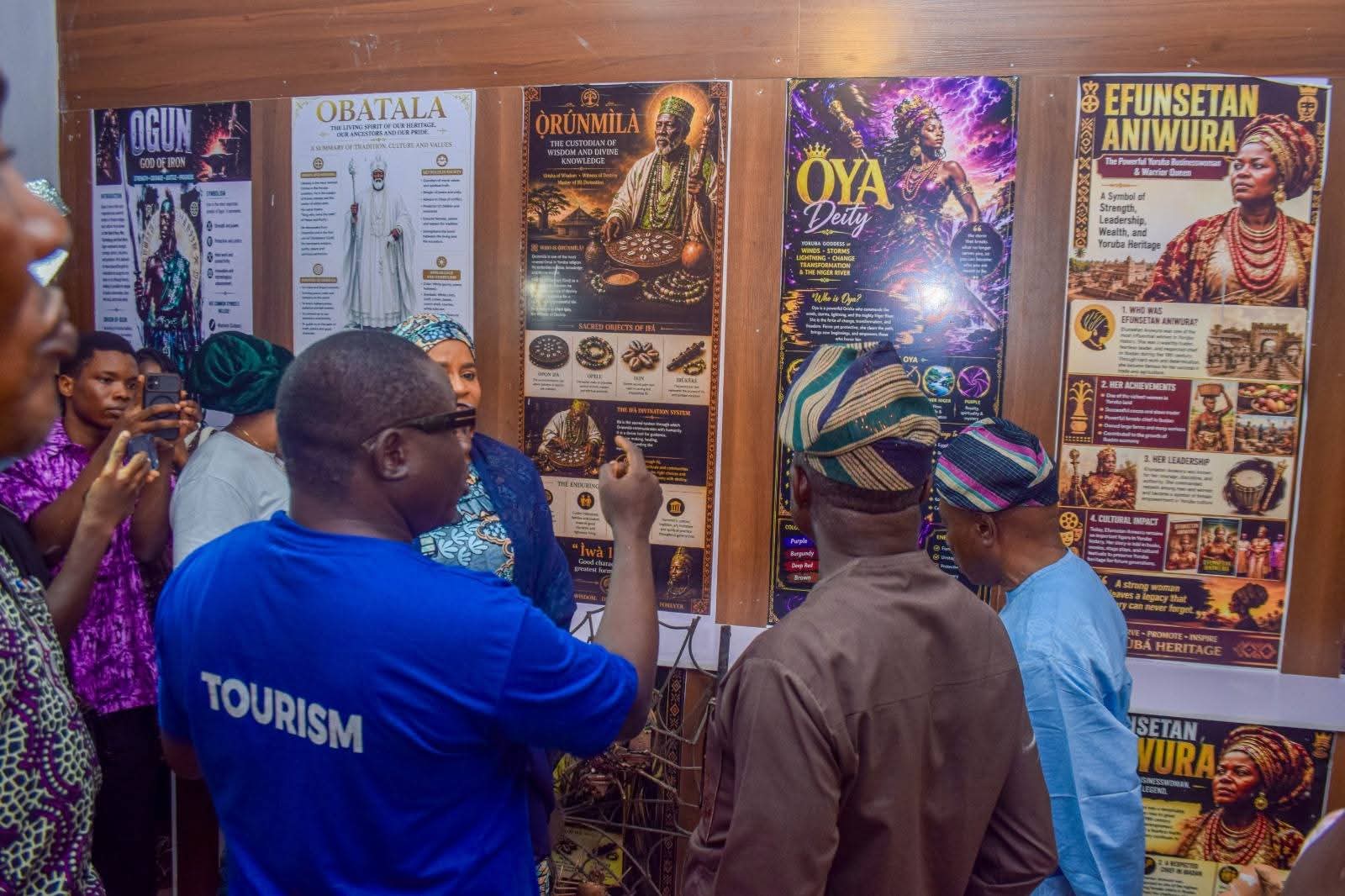
- Museum and Gallery Services
- Production Kitchen
- Restaurant and Bar Operations
- Accommodation, Lounge and Guest Rooms
- Garden and Outdoor Recreation
For AHTES, initiatives such as the POLYIBADAN TOURISM VILLAGE demonstrate what the future of hospitality and tourism education should increasingly represent: education connected to operational realities.
Students studying tourism and hospitality must not only understand industry concepts; they must also have opportunities to practise service delivery, experience customer interaction, understand operational procedures and develop the confidence required to work effectively in the professional environment.
Interestingly, the vision for the Tourism Village extends beyond student training. The facility is also being positioned to grow into a tourism, hospitality, cultural heritage and recreational destination.
Future development plans are expected to introduce additional visitor attractions and recreational facilities, including a games arcade, outdoor relaxation spaces and gazebos, a swimming pool, a mini zoo and other visitor-focused experiences.
Speaking during the unveiling, the Chairman of the Governing Council of The Polytechnic, Ibadan, Prof. Lanre Nasar, commended the Department of Tourism Management Technology for its vision and commitment to developing such an innovative project within a relatively short period of the department's existence.
The Rector of The Polytechnic, Ibadan, Assoc. Prof. Taiwo Lasisi, also praised the department for its initiatives and encouraged continued development of projects capable of strengthening the institution's reputation and creating greater value for students.
Special recognition was also given to Dr. Kola Lawal, identified as the pioneer and founder of the department, for his dedication and passion towards building a Tourism Management Technology Department capable of making the institution proud.
The Rector further acknowledged the discipline and conduct of the students, commending their neatness and exemplary behaviour within the Polytechnic community.
For the African Hospitality and Tourism Education Summit (AHTES), the POLYIBADAN TOURISM VILLAGE provides an important example of how educational institutions can rethink the delivery of hospitality and tourism education.
The future of the industry depends significantly on how well students are prepared today. Institutions must therefore create opportunities for learners to see the industry, experience the industry and practise within the industry before graduation.
Practical facilities such as this Tourism Village can help reduce the gap between academic learning and professional expectations while producing graduates who better understand service, operations, customer experience and the wider tourism ecosystem.
As Africa continues to seek solutions to skills development and human capacity challenges within hospitality and tourism, investments in experiential education will remain critical.
The official commissioning of the POLYIBADAN TOURISM VILLAGE is scheduled for December 2026, and the project is expected to continue evolving as a practical training hub for students while also creating opportunities for tourism, recreation and cultural experiences.
AHTES celebrates and recognises innovative educational initiatives that bring hospitality and tourism education closer to industry realities.
Education for Service Excellence.
Practical Learning for Industry Impact.
AHTES REPORTER
African Hospitality and Tourism Education Summit